
Tel:
+86-15381916109
Email:
Email:
No.26 TianJian Lane, Yinzhou District, Ningbo, Zhejiang, China
Views: 0 Author: Site Editor Publish Time: 2025-10-10 Origin: Site


Copper Bolts are more than just fasteners; they are vital components in various industries. Their unique properties make them indispensable in electrical, plumbing, marine, and aerospace sectors. In this article, you'll learn about their composition, benefits, and applications.
Copper bolts are fasteners made primarily from copper or copper alloys such as brass, bronze, or gunmetal. These bolts feature a cylindrical body with external threads and a head, designed to securely join two or more objects like metal, wood, or plastic. They often pair with nuts to tighten connections, allowing for easy assembly and disassembly.
The copper used in these bolts is chosen for its specific qualities that enhance performance in various environments. Sometimes, manufacturers add small amounts of other metals to improve strength or corrosion resistance while maintaining copper’s inherent benefits.
Copper bolts stand out due to several unique properties:
High Electrical Conductivity: Copper is one of the best conductors of electricity, second only to silver. This makes copper bolts ideal for electrical and electronic applications where efficient current flow is vital.
Excellent Corrosion Resistance: Copper naturally resists corrosion, especially in moist or marine environments. This property extends the life of copper bolts, reducing maintenance and replacement costs.
Superior Thermal Conductivity: Copper bolts can efficiently transfer heat, making them suitable for applications involving heat dissipation, such as radiators or heat exchangers.
Antimicrobial Effects: Copper has natural antimicrobial properties. Copper bolts are often used in medical and food processing equipment where hygiene is critical.
Ductility and Malleability: Copper bolts can bend or deform under stress without breaking. This flexibility allows them to absorb vibrations and shocks better than many other metals.
Resistance to Vibration and Temperature: Copper bolts maintain their integrity under vibration and high temperatures, making them reliable fasteners in automotive, aerospace, and industrial machinery.
These properties make copper bolts versatile and valuable in a wide range of industries, from electrical and plumbing to marine and aerospace sectors.
Copper bolts offer several outstanding benefits that make them a preferred choice across many industries. Here’s a closer look at the key reasons why copper bolts stand out:
Copper is an excellent conductor of electricity, second only to silver. This makes copper bolts ideal for electrical and electronic applications. They ensure efficient current flow, reduce energy loss, and prevent overheating in electrical connections. For example, in transformers and switchgear, copper bolts help maintain stable and reliable connections, essential for safety and performance.
Copper naturally resists corrosion, especially in moist or salty environments. Unlike steel bolts that rust over time, copper bolts maintain their integrity even when exposed to water, salt, or chemicals. This corrosion resistance extends their lifespan, lowers maintenance costs, and ensures safety in critical applications such as marine or plumbing systems.
Copper bolts also conduct heat efficiently. This property is useful where heat dissipation is needed, such as in radiators, heat exchangers, or electrical equipment that generates heat. By transferring heat quickly, copper bolts help prevent overheating and damage to connected components.
Copper has natural antimicrobial effects, meaning it can kill or inhibit the growth of bacteria and other microbes. This makes copper bolts valuable in healthcare, food processing, and sanitary applications where hygiene is crucial. Using copper bolts helps reduce infection risks and maintain cleaner environments.
Copper bolts are ductile and malleable, meaning they can bend or deform without breaking. This flexibility lets them absorb vibrations and shocks better than many other metals. For industries like automotive or aerospace, where components face constant movement and stress, copper bolts provide durable, vibration-resistant fastening.
Copper bolts find use across many industries thanks to their unique properties. Their excellent conductivity, corrosion resistance, and durability make them a smart choice for demanding environments.
Copper bolts shine in electrical gear because they conduct electricity well. They help secure parts in transformers, switchgear, and motors, ensuring steady electrical connections. Their ability to handle heat also helps prevent overheating in machines. For example, copper bolts in electrical panels keep circuits safe and efficient.
In plumbing and HVAC, corrosion resistance is key. Copper bolts resist rust and work well with copper pipes, creating leak-free joints. Their antimicrobial traits also help keep water systems hygienic. This makes them popular for faucets, valves, and heating systems where cleanliness matters.
Saltwater is harsh on metals, causing rust and damage. Copper bolts resist corrosion in marine environments, making them ideal for boats, ships, and offshore rigs. They maintain strength and reliability despite constant exposure to seawater and moisture. Copper bolts also secure marine electrical systems, where conductivity and durability are vital.
Solar panels and wind turbines benefit from copper bolts. Their strength and corrosion resistance ensure renewable energy systems last longer. Copper bolts hold turbine blades and solar modules firmly, helping these systems withstand weather and vibrations. This reliability supports clean energy production.
Vehicles face heat, vibration, and stress. Copper bolts meet these challenges well. They fasten engine parts, battery terminals, and wiring harnesses, ensuring strong electrical connections and heat management. Their flexibility helps absorb vibrations, reducing wear and tear.
Aerospace demands materials that handle extreme heat and stress. Copper bolts fit this need by maintaining strength and conductivity in aircraft engines and electrical systems. They help keep planes safe and efficient under tough conditions, from high altitudes to rapid temperature changes.
Copper bolts are not just practical fasteners; they also add beauty and character in artistic and decorative projects. Their warm, reddish-gold hue and natural shine make them a popular choice for artists, designers, and craftsmen.
Artists use copper bolts to assemble sculptures and mixed-media artworks. The bolts serve as both functional connectors and aesthetic elements. Because copper resists corrosion, these bolts maintain their appearance over time, even when exposed to outdoor weather. Sculptors appreciate copper bolts for their strength and malleability, which allows for secure yet flexible joins between parts.
For example, a large outdoor metal sculpture might use copper bolts to fasten panels or components. The bolts not only hold the structure firmly but also contribute a subtle metallic glow that complements the artwork. Copper bolts can be left exposed intentionally, adding texture and color contrast.
In furniture making, copper bolts provide a unique design touch. They fasten wood or metal parts while enhancing the piece’s visual appeal. Copper bolts suit styles ranging from rustic to modern industrial. Their antimicrobial properties also help keep furniture hardware hygienic, especially in kitchens or bathrooms.
Jewelry designers sometimes incorporate tiny copper bolts as decorative accents or functional parts in bracelets, necklaces, or rings. The bolts add an industrial-chic vibe and durability. Their natural patina can be polished for shine or allowed to age for a vintage look.
Copper bolts offer several key advantages that make them a preferred choice in many industries. Their unique combination of durability, resistance, and flexibility ensures they perform well under challenging conditions.
Copper bolts are known for their long-lasting strength. Unlike some other metals, copper maintains its structural integrity over time, even when exposed to harsh environments. This durability reduces the need for frequent replacements, saving time and costs on maintenance. For example, in marine settings, copper bolts withstand constant exposure to water and salt without weakening.
One of copper's standout features is its excellent resistance to corrosion. Copper bolts do not rust like steel bolts, making them ideal for use in moist, salty, or chemically active environments. This resistance helps maintain secure connections and prevents failures caused by rust or decay. Industries such as plumbing and marine heavily rely on copper bolts for this reason.
Copper bolts handle heat better than many other fasteners. They retain strength and shape even under high temperatures, which is vital in applications like engines, electrical equipment, and aerospace components. This heat tolerance prevents bolts from deforming or loosening, ensuring safety and reliability.
Copper bolts absorb vibrations and shocks better than many metals due to their ductility and malleability. This property makes them especially useful in automotive and aerospace industries, where constant movement and vibrations occur. By reducing the risk of loosening or damage, copper bolts help maintain the stability of assemblies under stress.
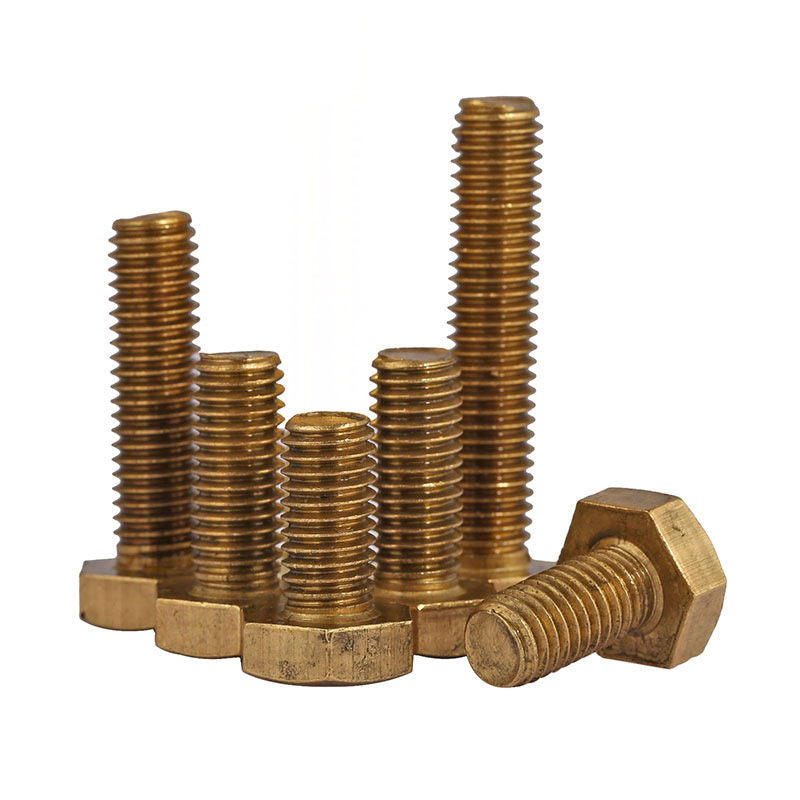
Maintaining copper bolts properly helps keep their performance and appearance over time. Since copper is soft and can tarnish, regular care is essential to prevent corrosion and damage.
Cleaning copper bolts regularly removes dirt, grime, and oxidation. Use a mild soap or detergent mixed with warm water. Gently scrub bolts using a soft cloth or a soft-bristle brush to avoid scratching the surface. Avoid harsh chemicals or abrasive pads, as they can damage the copper’s finish.
For tougher tarnish or oxidation, a natural cleaner like a paste made from lemon juice and baking soda works well. Apply the paste, let it sit for a few minutes, then rinse and dry thoroughly. Commercial copper cleaners are also available but should be used according to the manufacturer’s instructions.
Applying a protective sealant helps keep copper bolts shiny and prevents corrosion. Clear lacquer or specialized copper sealants form a barrier against moisture and air, reducing oxidation. Before applying, ensure bolts are clean and dry.
Reapply the sealant periodically, especially if bolts are exposed to harsh environments like marine or outdoor settings. This extra layer extends the life of the bolts and reduces maintenance frequency.
Proper storage prevents copper bolts from tarnishing or corroding before use. Store them in a dry, low-humidity environment away from direct sunlight. Use airtight containers or sealed plastic bags to reduce exposure to air and moisture.
Avoid storing copper bolts near chemicals or metals that can cause galvanic corrosion, such as steel or aluminum. Keeping bolts separated and cushioned also prevents scratches or dents during storage.
Tip: Regularly clean copper bolts with mild soap and apply a clear protective sealant to preserve their appearance and corrosion resistance over time.
Copper bolts are versatile and crucial across industries due to their conductivity, corrosion resistance, and durability. They are essential in electrical, marine, and automotive applications. As industries evolve, copper bolts will likely see increased use in renewable energy and advanced technology sectors. For reliable and high-quality copper bolts, consider Gonuo Hardware, known for delivering exceptional products that meet diverse industrial needs, ensuring longevity and performance.
A: Copper Bolts are used in electrical equipment, plumbing, marine applications, renewable energy systems, automotive, and aerospace industries due to their excellent conductivity, corrosion resistance, and durability.
A: Copper Bolts are preferred in marine environments because they resist corrosion from saltwater, maintaining strength and reliability despite constant moisture exposure.
A: Copper Bolts offer superior electrical and thermal conductivity and corrosion resistance compared to steel bolts, making them ideal for specific applications.