
Tel:
+86-15381916109
Email:
Email:
No.26 TianJian Lane, Yinzhou District, Ningbo, Zhejiang, China
Views: 0 Author: Site Editor Publish Time: 2025-10-10 Origin: Site


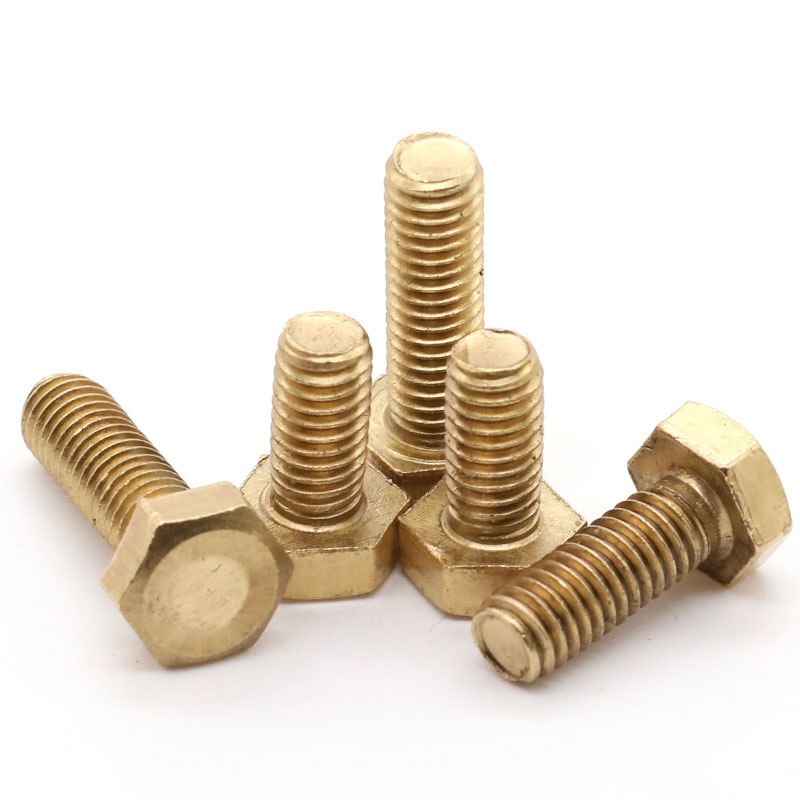
Copper bolts—often overlooked yet crucial—play a pivotal role in various industries. But what exactly is a copper bolt? These specialized fasteners are essential for their unique properties, offering unparalleled conductivity and corrosion resistance. In this post, you'll learn about copper bolts, their composition, benefits, and significant applications across construction, electronics, and marine sectors.
Copper bolts primarily consist of high-purity copper or copper alloys, such as C110 electrolytic tough pitch (ETP) copper or C145 tellurium copper. These materials contain approximately 99.9% copper, offering excellent electrical and thermal conductivity. The choice between alloys depends on the application's mechanical demands. For example, C110 copper is softer and more malleable, ideal for applications requiring flexibility, while C145 offers greater strength and is suitable for more demanding environments.
Copper bolts exhibit unique physical properties:
High electrical conductivity: Copper bolts efficiently conduct electricity, making them perfect for electrical and electronic applications.
Corrosion resistance: Copper naturally forms a protective oxide layer, preventing rust and degradation, especially in marine or humid environments.
Thermal conductivity: They dissipate heat effectively, which helps maintain the integrity of assemblies exposed to temperature fluctuations.
Malleability and ductility: Copper bolts can bend or deform without breaking, allowing for easier installation and resistance to mechanical stress.
Operating temperature range: Copper bolts can withstand temperatures up to 700°C, making them suitable for high-temperature applications.
Mechanically, copper bolts offer good tensile strength and fatigue resistance. They handle torque loads well and resist creep deformation under elevated temperatures better than many other metals. This combination of properties makes them reliable and durable fasteners in various settings.
Compared to steel, aluminum, or brass fasteners, copper bolts stand out in several ways:
| Property | Copper Bolts | Steel Bolts | Aluminum Bolts | Brass Bolts |
|---|---|---|---|---|
| Electrical Conductivity | Excellent | Poor | Moderate | Moderate |
| Corrosion Resistance | Very High (especially marine) | High (with coatings) | Moderate | High |
| Strength | Moderate to High | Very High | Moderate | Moderate |
| Thermal Conductivity | High | Low | Moderate | Moderate |
| Malleability | High | Low | High | Moderate |
| Cost | Generally higher than steel | Generally lower | Comparable | Comparable |
Copper bolts excel in applications demanding electrical conductivity and corrosion resistance, especially in marine, electrical, and plumbing industries. Steel bolts offer superior strength but can corrode without protective coatings. Aluminum bolts are lightweight but less durable under stress. Brass bolts provide good corrosion resistance but are usually less conductive and more brittle than copper.
In summary, copper bolts provide a balanced mix of conductivity, corrosion resistance, and mechanical properties that make them suitable for specialized applications where other fasteners may fall short.
Tip: When selecting fasteners for electrical or marine projects, prioritize copper bolts for their superior conductivity and corrosion resistance to ensure long-lasting, reliable connections.
Copper bolts are prized for their exceptional electrical conductivity. This property makes them ideal for electrical and electronic applications where efficient current flow is essential. Unlike steel or brass, copper bolts allow electricity to pass through with minimal resistance, reducing energy loss and heat buildup. This ensures safer and more reliable electrical connections in devices, wiring systems, and circuit boards.
Besides electrical conductivity, copper bolts also excel in thermal conductivity. They quickly disperse heat generated in electrical components or machinery, helping prevent overheating and maintaining system stability. This makes copper bolts a smart choice in environments where heat management is critical.
One of the standout advantages of copper bolts is their natural resistance to corrosion. Copper forms a stable oxide layer when exposed to air or moisture, which acts as a protective barrier against rust and degradation. This self-protective feature makes copper bolts highly durable in harsh environments like marine settings, chemical plants, or outdoor installations.
Compared to steel bolts, which often require coatings or treatments to resist rust, copper bolts maintain their integrity longer without additional maintenance. This resistance extends the lifespan of structures and equipment, reducing replacement costs and downtime.
Copper bolts offer a well-balanced combination of strength and flexibility. While not as hard as steel, they provide sufficient tensile strength for many applications, especially when made from copper alloys like tellurium copper. This strength enables them to withstand mechanical stress and maintain secure fastening under vibration or load.
Moreover, copper bolts are highly ductile, meaning they can bend or deform without breaking. This flexibility helps absorb shocks and vibrations, preventing fastener failure in dynamic environments such as automotive or industrial machinery. Their resistance to creep deformation at elevated temperatures also adds to their durability in demanding conditions.
In summary, copper bolts combine excellent conductivity, corrosion resistance, and mechanical durability. These benefits make them an excellent choice for projects requiring reliable, long-lasting fasteners that perform well under electrical, thermal, and environmental stresses.
Copper bolts find use across many industries due to their unique properties. Their high conductivity, corrosion resistance, and durability make them ideal for specialized tasks where other fasteners might fail.
In construction, copper bolts are valuable for joining metal, wood, and composite materials. They resist corrosion from weather and moisture, which helps structures last longer. Copper bolts are often used in roofing, cladding, and heavy steel frameworks where exposure to the elements is constant. Their ability to withstand temperature changes without weakening makes them reliable for outdoor and industrial settings.
Engineers appreciate copper bolts for applications requiring both strength and electrical conductivity, such as grounding systems in buildings. Their malleability also allows for easier installation in tight or irregular spaces.
Copper bolts excel in electrical and electronic assemblies. Their excellent electrical conductivity ensures efficient current flow, reducing energy loss and heat buildup. They are commonly used to connect circuit boards, electrical panels, and wiring systems.
In electronics manufacturing, copper bolts provide secure, stable connections that maintain performance over time. Their resistance to corrosion prevents oxidation, which can degrade electrical contacts. These bolts also help dissipate heat in devices, protecting sensitive components from overheating.
Plumbing systems benefit from copper bolts’ corrosion resistance, especially in moist or chemically aggressive environments. They fasten pipes, fixtures, and valves securely while resisting rust and mineral buildup. This extends the lifespan of plumbing installations and reduces maintenance needs.
Marine applications demand materials that withstand saltwater and harsh conditions. Copper bolts naturally form a protective oxide layer that prevents corrosion, making them ideal for shipbuilding, offshore platforms, and docks. Their strength and durability ensure that structural components and fittings remain secure despite constant exposure to water and weather.
Tip: For projects exposed to moisture or requiring electrical safety, choose copper bolts to ensure long-lasting, reliable connections resistant to corrosion and heat.
Copper bolts come in various forms to suit different needs. Generally, they fall into two main categories: standard copper bolts and custom copper bolts designed for specific applications.
Standard copper bolts are the most common type. They come in typical sizes and shapes, such as hex bolts, carriage bolts, and machine bolts. These bolts are manufactured to meet industry standards, making them easy to find and replace. They offer reliable performance for general applications where copper’s properties—like conductivity and corrosion resistance—are needed.
These bolts are often used in electrical panels, plumbing fixtures, and light construction projects. Their availability in various thread sizes and lengths allows them to fit many fastening needs without extra customization. Standard copper bolts are cost-effective and provide a quick solution for many industrial and commercial uses.
Sometimes, standard bolts don’t meet the exact requirements of a project. That’s where custom copper bolts come in. These bolts are tailored to specific dimensions, shapes, or alloy compositions to handle unique conditions or specialized equipment.
For example, in marine or aerospace applications, custom copper bolts might have enhanced corrosion resistance or higher tensile strength. They may also feature special coatings or finishes to improve durability or electrical performance. Custom bolts can be designed to fit unusual thread patterns or to withstand extreme mechanical stresses.
Manufacturers work closely with engineers to produce these bolts. They use precise machining and quality control to ensure the bolts meet strict specifications. Custom copper bolts are essential when safety, reliability, or performance cannot be compromised.
Proper maintenance keeps copper bolts performing well and lasting longer. Regular cleaning removes dirt, grime, and oxidation that can build up on the surface. Use a mild soap solution and a soft cloth or sponge to clean the bolts gently. Avoid abrasive cleaners or rough materials that might scratch or damage the copper’s protective layer.
For tougher tarnish or oxidation, a mixture of vinegar and salt or lemon juice with baking soda can help restore the shine. After cleaning, rinse the bolts thoroughly with water and dry them completely to prevent moisture buildup.
Applying a protective coating, such as a clear lacquer or wax, can help maintain the bolt’s appearance and protect it from environmental damage. This layer acts as a barrier against moisture and contaminants, reducing the risk of corrosion over time.
Although copper bolts resist rust naturally, they can still corrode under certain conditions. To prevent corrosion:
Store bolts in a dry, well-ventilated area away from humidity.
Avoid prolonged exposure to acidic or salty environments without protective coatings.
Use corrosion inhibitors or sealants on bolts installed in harsh environments, such as marine or chemical settings.
Regularly inspect installed bolts for signs of wear, corrosion, or damage, and replace them if necessary.
Proper installation also matters. Ensure bolts are tightened correctly to avoid loosening, which can trap moisture and accelerate corrosion.
By following these care and maintenance tips, you can extend the lifespan and reliability of copper bolts in any application.
Selecting the right copper bolts depends on several important factors that ensure optimal performance and durability for your project.
Application Requirements: Identify the specific use, such as electrical, marine, or construction. Each demands different strength, conductivity, or corrosion resistance levels.
Copper Alloy Type: Choose between pure copper (C110) or stronger alloys like tellurium copper (C145) based on mechanical strength and flexibility needed.
Size and Thread Type: Ensure bolt dimensions and thread patterns match your equipment or assembly requirements to guarantee a secure fit.
Load Capacity: Assess the mechanical stresses the bolt will face, including tension, shear, or torque, to select bolts that can handle expected forces.
Environmental Conditions: Consider exposure to moisture, chemicals, or temperature extremes, which influence corrosion resistance and material choice.
Finish and Coatings: Some applications benefit from additional coatings or platings to enhance corrosion resistance or aesthetic appeal.
Budget Constraints: Balance performance needs with cost efficiency, as copper bolts generally cost more than steel but offer unique benefits.
Taking these factors into account helps you pick copper bolts that deliver reliability and longevity in your specific context.
When in doubt, consulting professionals can save time and avoid costly mistakes.
Technical Support: Experts can recommend alloys, sizes, and finishes tailored to your project.
Custom Solutions: Suppliers may offer custom copper bolts designed for unique specifications or extreme conditions.
Compliance and Standards: Professionals ensure bolts meet industry standards and safety regulations.
Sample Testing: Request samples for testing in your environment before full-scale purchase.
After-Sales Service: Reliable suppliers provide ongoing support, including maintenance advice and replacement options.
Building a strong relationship with knowledgeable suppliers ensures you get the right copper bolts and expert guidance throughout your project.
Copper bolts offer high electrical and thermal conductivity, corrosion resistance, and mechanical durability. These qualities make them ideal for electrical, marine, and construction applications. Their ability to withstand harsh environments and maintain reliable connections is unmatched. When selecting copper bolts, consider the specific demands of your project. Consulting with experts ensures the right choice. Gonuo Hardware provides top-quality copper bolts, delivering exceptional performance and value. Their expertise and product range cater to diverse industry needs, ensuring long-lasting, reliable solutions.
A: Copper bolts are primarily used in electrical applications due to their high conductivity. They are also favored in marine environments for their corrosion resistance.
A: Copper bolts offer superior electrical conductivity and corrosion resistance, especially in marine settings, while steel bolts provide higher strength.
A: Choose copper bolts for projects requiring excellent conductivity, corrosion resistance, and durability, particularly in electrical and marine applications.
A: Copper bolts generally cost more than steel bolts but offer unique benefits like high conductivity and resistance to corrosion.
A: To prevent corrosion, store copper bolts in dry areas, use protective coatings, and regularly inspect them for wear or damage.