Introduction
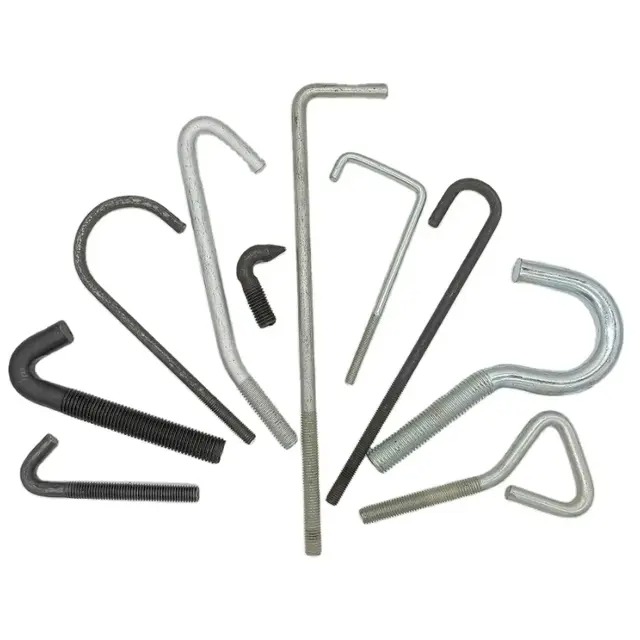
In the world of heavy construction and structural engineering, the stability of a building often rests on components we rarely see once the concrete sets. Among these, the L shaped Anchor Bolt stands out as a fundamental connector. Engineers and contractors rely on this specific Anchor Bolt design to secure structural steel columns, light poles, and heavy machinery to concrete foundations.
Understanding the "L-Type" or hook bolt involves more than just knowing its shape. It requires a deep dive into how its geometry interacts with cured concrete to provide pull-out resistance. This guide provides an expert look at the design benefits, material specifications like Galvanized Steel and Carbon Steel, and the rigorous installation practices required to ensure structural integrity. Whether you are managing a massive industrial site or a specialized infrastructure project, mastering the nuances of this Anchor Bolt is non-negotiable for safety and performance.
Defining the L-Type Hook Anchor Bolt Geometry
The L shaped Anchor Bolt is a cast-in-place fastener characterized by a straight threaded top and a 90-degree bend at the bottom. This bend, often referred to as the "hook," serves as the primary mechanical anchorage. Unlike expansion bolts that rely on friction against the walls of a pre-drilled hole, this Anchor Bolt is positioned before the concrete is poured.
Its design serves a singular, critical purpose: to create a "deadman" effect within the foundation. When upward tension is applied to the threaded end, the hook transfers that load deep into the concrete mass. This distribution of force prevents the bolt from sliding out. Most industrial applications utilize Carbon Steel for the core body due to its excellent tensile strength, while finishes like Zinc Plated or Black Oxide are applied depending on the moisture levels of the site.
Key Design Benefits of L-Type Anchor Bolts
Why choose an L shaped Anchor Bolt over a J shaped variant or a headed bolt? The "L" design offers specific advantages in terms of spacing and edge distance. Because the hook extends in only one direction, it allows for tighter placement near the edges of concrete footings compared to circular or larger-headed fasteners.
Structural Load Distribution
The 90-degree bend provides a predictable shear plane. In seismic zones or high-wind areas, the structural engineer calculates the "embedment depth" based on the length of the straight shank. They favor the Anchor Bolt because it offers high resistance to both tension (pulling up) and shear (sideways shifting).
Material Versatility for Diverse Environments
The longevity of a foundation depends on the chemistry of the Anchor Bolt. For indoor warehouses where aesthetics matter but corrosion is low, Black Oxide or Zinc Plated finishes are common. However, for coastal bridges or outdoor substations, Galvanized Steel Anchor Bolts are the industry standard. The hot-dip galvanization process creates a thick, metallurgical bond that protects the Carbon Steel from rust for decades.
Comparing Material Grades and Surface Finishes
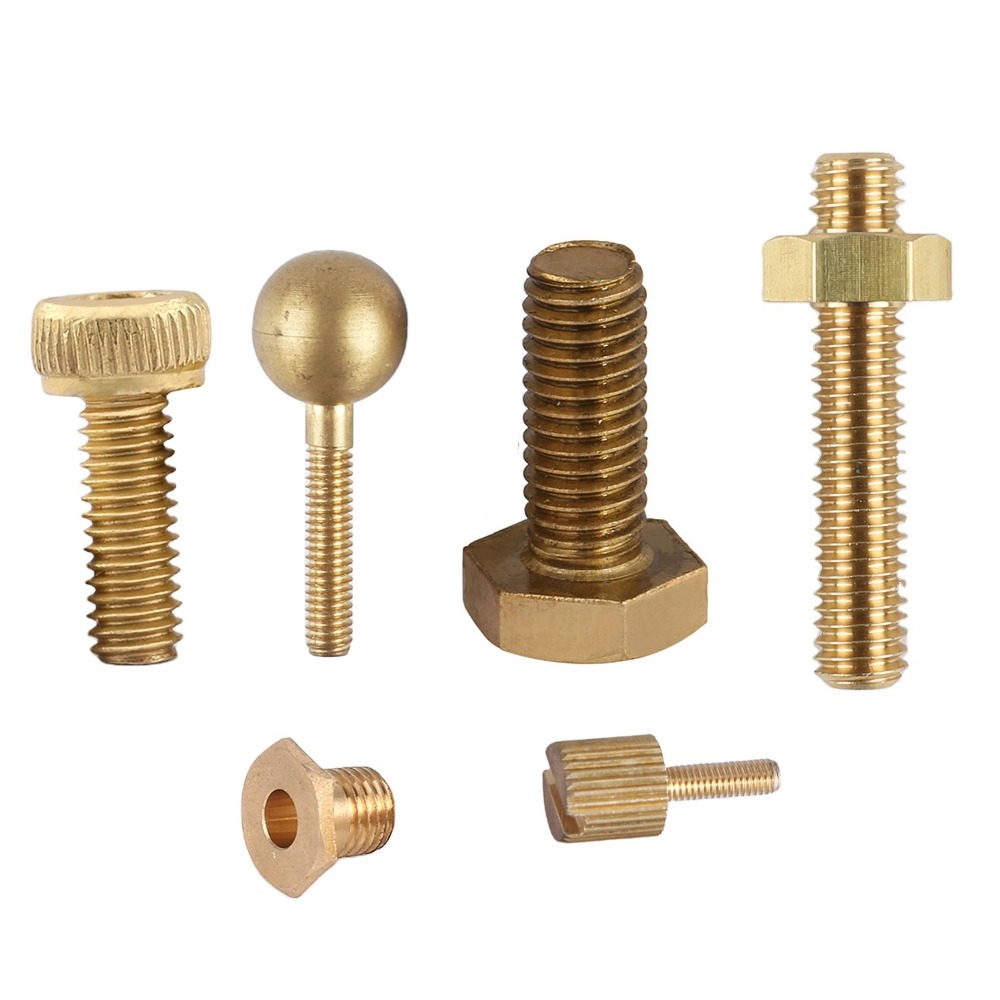
Not all bolts are created equal. The performance of an Anchor Bolt is heavily dictated by its material composition and the protective coating applied to its exterior. Choosing the wrong finish can lead to premature structural failure due to oxidation.
The Strength of Carbon Steel
Most standard construction projects utilize ASTM F1554 Grade 36, 55, or 105 Carbon Steel. Grade 36 is the most common for light-duty applications, while Grade 105 represents a high-strength, heat-treated Anchor Bolt capable of supporting massive industrial loads.
Coating Comparison Table
| Coating Type |
Best For |
Corrosion Resistance |
Common Application |
| Black Oxide |
Indoor, dry environments |
Low |
Interior warehouse racking |
| Zinc Plated |
General construction |
Moderate |
Residential sills and plates |
| Galvanized Steel |
Outdoor/Industrial |
High |
Highway signage, marine docks |
| Stainless Steel |
Chemical/High Salt |
Excellent |
Wastewater plants |
Installation Best Practices: Precision Before the Pour
The biggest challenge with a cast-in-place Anchor Bolt is that once the concrete is hard, you cannot easily move it. Error margins are often less than 1/8th of an inch. Therefore, the preparation phase is the most critical part of the installation.
Template Usage and Rigidity
You must use a heavy-duty template—usually made of plywood or steel—to hold the Anchor Bolt in its exact coordinates. Contractors often secure these templates to the formwork. If the bolt shifts during the pour, the steel baseplate of the column will not fit, leading to costly "field fixes" that might compromise the foundation's strength.
Ensuring Proper Orientation
For an L shaped Anchor Bolt, the direction the hook faces matters. Typically, hooks should point toward the center of the concrete mass to maximize the "cone" of influence. If they point toward a thin edge, the concrete might "spall" or break away under load. Workers must double-check the orientation of every Anchor Bolt before the cement mixers arrive.
Overcoming Common Installation Challenges
Even with a perfect plan, things can go wrong on a busy construction site. Wet concrete is heavy and abrasive; it can easily knock a Customized Anchor Bolt out of alignment as it flows into the forms.
Preventing "Bolt Float"
As concrete is vibrated to remove air pockets, the Anchor Bolt can "float" or sink. To prevent this, installers use double-nutting techniques on the template. By placing a nut both above and below the template, you lock the Anchor Bolt at the correct elevation. This ensures the "thread projection"—the amount of bolt sticking out above the concrete—is exactly what the plans require.
Dealing with Reinforcement Interference
Often, a thick cage of rebar sits right where the Anchor Bolt needs to go. You should never cut primary structural rebar to make room for a bolt. Instead, minor adjustments to the bolt's position (if allowed by the engineer) or using a Customized length can solve the clearance issue.
Advanced Installation: Torque, Tension, and Testing
Once the concrete reaches its design strength (usually after 7 to 28 days), the structural steel is set onto the bolts. However, simply tightening the nuts is not enough. Proper tensioning is required to ensure the Anchor Bolt functions as intended.
The Importance of Proper Torque
Using a calibrated torque wrench is vital. If you under-tighten, the structure may vibrate or shift. If you over-tighten, you risk "pre-stressing" the Carbon Steel to its breaking point or stripping the Zinc Plated threads. Engineers provide specific torque values based on the diameter and grade of the Anchor Bolt.
Post-Installation Verification and Pull Testing
In high-stakes projects, like skyscraper foundations or bridge abutments, third-party inspectors often perform pull-out tests. They use hydraulic jacks to apply a specific amount of tension to a sample Anchor Bolt. This confirms that both the material (whether Galvanized Steel or Stainless) and the concrete bond are performing according to the safety factors.
Maintenance and Long-Term Structural Health
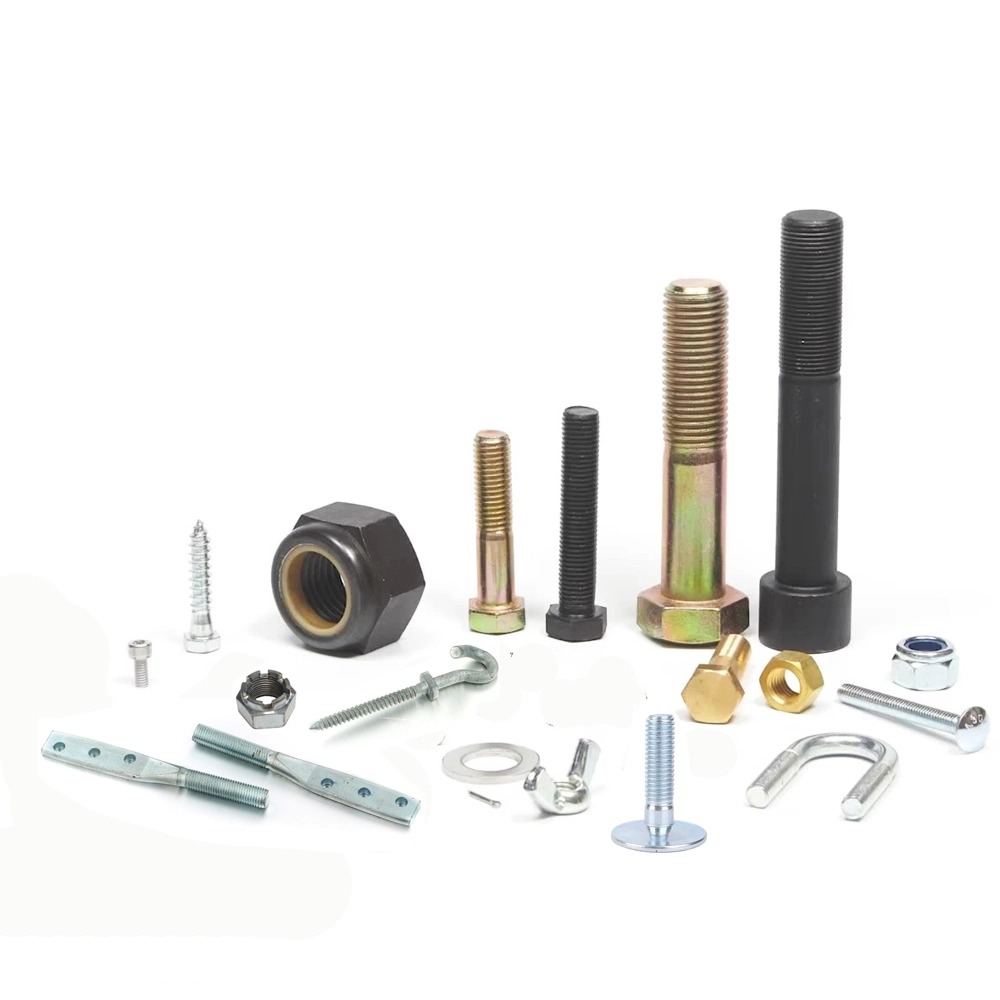
Structural components aren't "set it and forget it." Environmental factors like groundwater seepage or salt spray can attack the Anchor Bolt over time. Even a Galvanized Steel bolt can eventually show signs of wear if the protective layer is chipped during installation.
Inspecting for "Creep" and Corrosion
Regular inspections should look for signs of "creep"—where the bolt appears to be pulling out—or cracks in the surrounding concrete. If rust streaks appear around the baseplate, it indicates the Anchor Bolt is oxidizing. In such cases, experts might apply a secondary Black Oxide or epoxy coating to halt the damage.
The Role of Grouting
The gap between the concrete foundation and the steel baseplate is usually filled with non-shrink grout. This grout protects the exposed portion of the Anchor Bolt from debris and moisture. If the grout cracks or falls out, the Anchor Bolt becomes vulnerable to the elements. Maintaining this seal is the simplest way to ensure the Anchor Bolt lasts as long as the building it supports.
Sourcing the Right Component: Customized and Standard Solutions
Every project has unique demands. While standard sizes are readily available, many heavy industrial projects require a Customized Anchor Bolt. This might mean a non-standard length, a specific thread pitch, or a hybrid material like a Carbon Steel core with a high-end Zinc Plated finish.
Why Customization is Essential
A Customized solution ensures that the embedment depth perfectly matches the soil conditions and the expected load. When you order a Customized Anchor Bolt, you are not just buying hardware; you are buying a component engineered for a specific set of stresses. From Black Oxide coatings for specific chemical resistance to extra-long hooks for seismic stability, the right partner can provide the exact Anchor Bolt required.
Conclusion
The L shaped Anchor Bolt is a masterpiece of simple but effective engineering. By combining the high tensile strength of Carbon Steel with the mechanical grip of the 90-degree hook, it provides the "roots" for our modern infrastructure. From selecting the right finish—be it Galvanized Steel for the outdoors or Zinc Plated for general use—to following strict installation best practices, every step is vital. When we respect the design benefits and the precision required for installation, we build structures that stand the test of time and nature.
FAQ
Q: What is the difference between an L-Type and a J-Type Anchor Bolt?
A: An L shaped Anchor Bolt has a 90-degree bend, while a J shaped bolt has a more rounded, deeper curve. The L-type is generally easier to manufacture and provides excellent resistance in standard concrete foundations.
Q: Why use Galvanized Steel for Anchor Bolts?
A: Galvanized Steel provides a thick layer of protection against rust. This is crucial because an Anchor Bolt is partially buried in concrete (which can hold moisture) and partially exposed to the air.
Q: Can I bend a straight Carbon Steel bolt into an L-shape on-site?
A: Absolutely not. Bending steel cold can cause micro-fractures in the material. A professional Anchor Bolt is manufactured under controlled conditions to ensure the bend doesn't weaken the steel.
Q: What is the purpose of Black Oxide on an Anchor Bolt?
A: Black Oxide is a conversion coating that provides mild corrosion resistance and a matte black appearance. It is typically used for indoor applications where high-humidity protection isn't the primary concern.
Partner with an Industry Leader in Hardware Manufacturing
We are not just a supplier; we are a comprehensive manufacturing force in the fastener industry. At Gonuo, we operate a large-scale factory dedicated to producing high-precision hardware that meets the rigorous demands of the global B2B market. Our strength lies in our ability to provide Customized solutions for complex construction needs, ranging from massive L shaped Anchor Bolts in Galvanized Steel to specialized Carbon Steel fasteners. We understand that in the construction world, reliability is everything. That is why we invest heavily in quality control and advanced production technology, ensuring every Anchor Bolt that leaves our facility is built for maximum performance. Whether you need a standard Zinc Plated finish or a specific Black Oxide treatment, we have the technical expertise and the industrial capacity to support your largest projects with efficiency and integrity.

