
Tel:
+86-15381916109
Email:
Email:
No.26 TianJian Lane, Yinzhou District, Ningbo, Zhejiang, China
Views: 0 Author: Site Editor Publish Time: 2025-10-10 Origin: Site


Have you ever wondered why copper bolts are a staple in many industries? These remarkable fasteners, known for their durability and conductivity, have evolved significantly over time. In this article, we'll explore the fascinating history of copper bolts and their critical role across various sectors. You'll learn about their unique properties and why they're preferred in electrical, marine, and automotive industries.
Copper bolts are known for their impressive durability. They can withstand heavy loads and resist wear over time. Unlike some metals that weaken or corrode quickly, copper maintains its strength even in harsh environments. This makes copper bolts ideal for applications where reliability over many years is crucial. For example, in marine or outdoor settings, copper bolts endure exposure to moisture and temperature changes without losing their integrity. Their ability to resist fatigue means they won’t easily crack or break under repeated stress, providing long-lasting performance.
One of the standout features of copper bolts is their excellent electrical conductivity. Copper is one of the best conductors of electricity among metals, which means copper bolts allow electrical currents to pass through them efficiently. This property is vital in electrical and electronic applications where secure connections must also conduct electricity safely and effectively. For instance, grounding systems and electrical panels often use copper bolts to ensure minimal resistance and prevent energy loss. This makes copper bolts a preferred choice in industries where electrical performance is critical.
Copper bolts naturally resist corrosion much better than many other metals. When exposed to moisture, air, or chemicals, copper forms a protective layer called patina. This layer acts as a shield, preventing further corrosion and rust. This resistance is especially important in environments such as marine or industrial settings where exposure to saltwater or harsh chemicals is common. Unlike steel bolts that may rust and weaken, copper bolts maintain their structural integrity, reducing maintenance needs and replacement costs. Additionally, their corrosion resistance helps preserve the aesthetic appeal of the bolted structures.
Copper bolts excel in electrical conductivity and corrosion resistance but have lower tensile strength compared to titanium bolts. Titanium bolts are much stronger and lighter, making them ideal for aerospace and automotive applications where weight and strength are critical. However, titanium bolts cost significantly more and lack copper’s excellent electrical conductivity. Copper bolts are easier to machine due to their softness, while titanium requires specialized tools. Choose copper bolts when electrical performance and corrosion resistance matter more than extreme strength. Opt for titanium bolts when you need high strength, lightweight fasteners for demanding mechanical environments.
Copper bolts outperform aluminum bolts in durability, corrosion resistance, and temperature stability. Aluminum bolts are lightweight and less expensive but tend to corrode faster, especially in salty or acidic environments. Copper forms a protective patina that shields it from corrosion, making it ideal for marine and industrial settings. Copper maintains strength at higher temperatures, while aluminum weakens and deforms. However, aluminum bolts are easier to handle due to their lightness, beneficial in applications where weight reduction is crucial. For long-term reliability and resistance to harsh conditions, copper bolts are the superior choice.
Stainless steel bolts offer excellent strength and corrosion resistance, often matching or exceeding copper in mechanical performance. However, copper bolts provide better electrical and thermal conductivity, which stainless steel lacks. Stainless steel is harder and more wear-resistant but heavier and less malleable than copper. Copper’s natural patina protects it from corrosion, while stainless steel relies on alloying elements like chromium. In applications where electrical conductivity and corrosion resistance in moist or marine environments are priorities, copper bolts stand out. For structural strength and resistance to mechanical wear, stainless steel bolts may be preferred.
Tip: When selecting bolts, balance your needs for conductivity, strength, corrosion resistance, and cost to pick the material that best fits your project’s environment and performance requirements.
Copper bolts shine in electrical and electronics fields due to their outstanding conductivity. They ensure strong, reliable connections that allow electricity to flow efficiently. For example, copper bolts are often used in grounding systems, circuit boards, and electrical panels. Their ability to conduct electricity reduces energy loss and prevents overheating. This makes them essential for safety and performance in electrical installations. Additionally, copper bolts resist corrosion, which is crucial in protecting sensitive electronic components from damage caused by moisture or environmental factors.
In plumbing and HVAC systems, copper bolts offer excellent resistance to corrosion and temperature extremes. They connect pipes, fixtures, and equipment securely, ensuring leak-free joints. Copper bolts withstand exposure to water, steam, and chemicals commonly found in these systems. Their durability means fewer replacements and less maintenance over time. Moreover, copper bolts’ malleability allows them to adapt to slight movements or vibrations without breaking, which is important in systems subject to pressure changes or thermal expansion. This reliability contributes to the long-term efficiency of plumbing and HVAC installations.
Copper bolts play a vital role in marine and automotive sectors, where harsh conditions demand robust fasteners. In marine environments, saltwater and humidity cause rapid corrosion in many metals, but copper bolts naturally form a protective patina that shields them from rust. This makes them ideal for shipbuilding, offshore platforms, and marine equipment. In the automotive industry, copper bolts resist heat and vibration, securing engine parts, brakes, and suspension systems. Their corrosion resistance also helps maintain safety and performance over a vehicle’s lifespan. Using copper bolts reduces downtime and maintenance costs in these demanding applications.
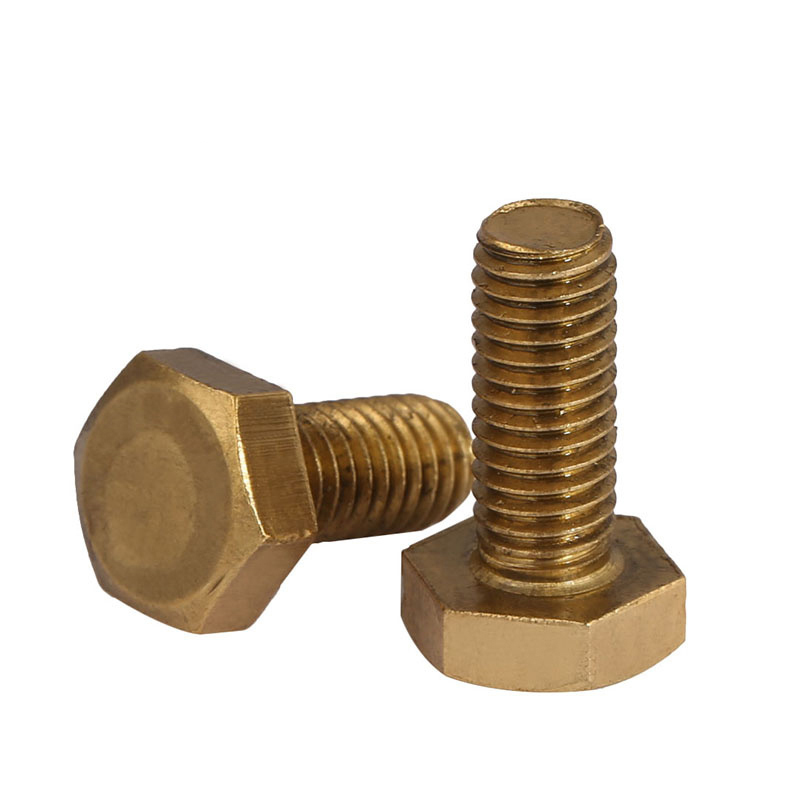
Copper bolts stand out as an eco-friendly choice due to copper's natural recyclability. Unlike many metals, copper can be recycled repeatedly without losing its key properties like strength, conductivity, or corrosion resistance. This reduces the need for mining new copper, conserving natural resources and lowering environmental damage. Recycling copper bolts also uses significantly less energy compared to producing new copper from ore, helping reduce carbon emissions. Many industries prefer copper bolts because they align with sustainability goals and circular economy principles, making projects greener and more responsible.
Although copper bolts may have a higher upfront cost than some alternatives, their long-term value is impressive. Their durability and corrosion resistance mean fewer replacements and less maintenance, which cuts down labor and material costs over time. Copper bolts' resistance to rust and fatigue reduces downtime in critical systems, improving overall efficiency. In electrical applications, their excellent conductivity decreases energy losses, indirectly saving money on power consumption. When factoring in lifespan and performance, copper bolts often prove more economical than cheaper options that require frequent repair or early replacement.
Using copper bolts contributes to resource conservation in several ways. Their long service life means fewer bolts need manufacturing, reducing the demand for raw materials and energy. Copper's recyclability further lessens resource extraction, preserving ecosystems and minimizing pollution. By choosing copper bolts, industries can lower their environmental footprint and support responsible resource management. This is especially important in sectors like construction, marine, and electronics, where sustainable practices are becoming mandatory. Copper bolts help companies meet environmental regulations and demonstrate corporate social responsibility.
Tip: Opt for copper bolts to enhance your project's sustainability and reduce lifetime costs through their recyclability and long-lasting performance.
Keeping copper bolts clean helps maintain their performance and appearance. Use a mild soap solution and a soft cloth to remove dirt and grime gently. Avoid harsh chemicals or abrasive materials that can scratch or damage the surface. Over time, copper develops a natural patina, which protects it from corrosion. However, if you prefer to keep the shiny look, apply a protective sealant or wax designed for metals. This layer shields the bolts from moisture and environmental contaminants, extending their lifespan. For electrical applications, ensuring the bolts are clean and free from oxidation is crucial to maintain conductivity.
Proper storage prevents premature aging and damage. Store copper bolts in a dry, cool place away from moisture and direct sunlight. Moisture can accelerate tarnishing and corrosion, while sunlight might cause discoloration. Keep them separated from other metals, especially steel, to avoid galvanic corrosion, which occurs when different metals contact in the presence of an electrolyte. Using airtight containers or sealed plastic bags with desiccants can help reduce humidity exposure. Labeling bolts by size and grade also ensures easy access and prevents unnecessary handling that could cause wear.
Regular inspection helps catch issues early. Check copper bolts periodically for signs of wear, corrosion beyond the protective patina, or deformation. Look for cracks, thread damage, or loosening, especially in high-stress or vibration-prone environments. If corrosion appears as greenish or powdery deposits, clean and treat the bolt promptly. Replace any bolts showing significant wear or damage to maintain safety and reliability. In electrical systems, poor connections due to damaged bolts can cause failures or hazards. Establish a maintenance schedule based on the operating environment and usage intensity to ensure bolts remain in optimal condition.
Choosing the right copper bolts starts with understanding your project’s specific needs. Size matters — the bolt's diameter and length must match the materials and load requirements. Using a bolt too small can cause failure, while one too large adds unnecessary weight and cost.
Next, consider the grade of copper. Pure copper offers excellent conductivity but less strength. Copper alloys, like brass or bronze, provide higher strength and better wear resistance but may have slightly reduced conductivity. Select a grade based on whether electrical performance or mechanical strength is your priority.
Specifications such as thread type (coarse or fine), head style (hex, round, flat), and finish also impact performance. For example, fine threads offer better resistance to vibration loosening, while hex heads allow easier tightening with standard tools. Ensure the bolts meet industry standards (ASTM, ISO) to guarantee quality and compatibility.
Many suppliers offer customization to tailor copper bolts to your project. Custom sizes, thread lengths, and head designs can be produced to fit unique applications. Surface treatments like plating or coating enhance corrosion resistance or aesthetic appeal.
Some projects require precision machining for tight tolerances, especially in electronics or aerospace. Custom copper bolts can be made with special alloys to improve strength or thermal properties. Discuss your project’s needs with manufacturers to explore options that optimize performance and cost.
Sourcing quality copper bolts is crucial for reliability. Choose reputable suppliers known for consistent material quality and adherence to standards. Look for certifications like ISO 9001 or compliance with ASTM specifications.
Suppliers specializing in copper fasteners typically offer a wider range and better technical support. Verify if they provide traceability and testing reports to ensure the bolts meet your requirements.
Online industrial marketplaces, metal distributors, and local fastener specialists are good starting points. For large or specialized orders, consider direct contact with manufacturers who can provide customization and volume discounts.
Copper bolts offer durability, exceptional electrical conductivity, and corrosion resistance, making them ideal for various applications. Their versatility and reliability ensure long-lasting performance in challenging environments. For future projects, consider choosing copper bolts to enhance system efficiency and reduce maintenance costs. Gonuo Hardware provides high-quality copper bolts, ensuring you benefit from their unique features and advantages.
A: Copper Bolts are primarily used in electrical, plumbing, and marine applications due to their excellent conductivity and corrosion resistance.
A: Copper Bolts offer superior durability, corrosion resistance, and temperature stability compared to aluminum bolts, making them ideal for harsh environments.
A: Copper Bolts enhance electrical systems by providing excellent conductivity, reducing energy loss, and ensuring reliable connections.
A: Yes, Copper Bolts are cost-effective over time due to their durability, reducing maintenance and replacement costs.