
Tel:
+86-15381916109
Email:
Email:
No.26 TianJian Lane, Yinzhou District, Ningbo, Zhejiang, China
Views: 0 Author: Site Editor Publish Time: 2026-03-13 Origin: Site


Modern furniture looks lighter and more flexible than ever before. But stronger designs often create new stress at frame joints. This is where the Metal corner bracket becomes essential for stability. In this article, you will learn why customized bracket solutions help manufacturers improve strength, design flexibility, and production efficiency in modern furniture manufacturing.
Furniture manufacturing today is shaped by two major trends: lightweight construction and modular design. Manufacturers increasingly rely on engineered wood panels, aluminum frames, and composite materials to reduce weight while maintaining visual elegance. These materials enable slimmer furniture profiles and more contemporary aesthetics, but they also change how structural forces move through the frame. The result is a higher concentration of stress at connection points. Corners, where two structural elements meet at a right angle, often experience the most pressure from weight distribution, daily use, and repeated movement. When joints lack adequate reinforcement, the furniture frame may begin to loosen, develop small gaps, or gradually lose its alignment.
Over time, these issues can manifest as wobbling tables, creaking sofa frames, or cabinets that shift slightly under load. Even when the materials themselves remain intact, weak connections can undermine the structural reliability of the entire product. Manufacturers therefore need connection hardware that can stabilize joints without adding excessive weight or interfering with modern furniture aesthetics.
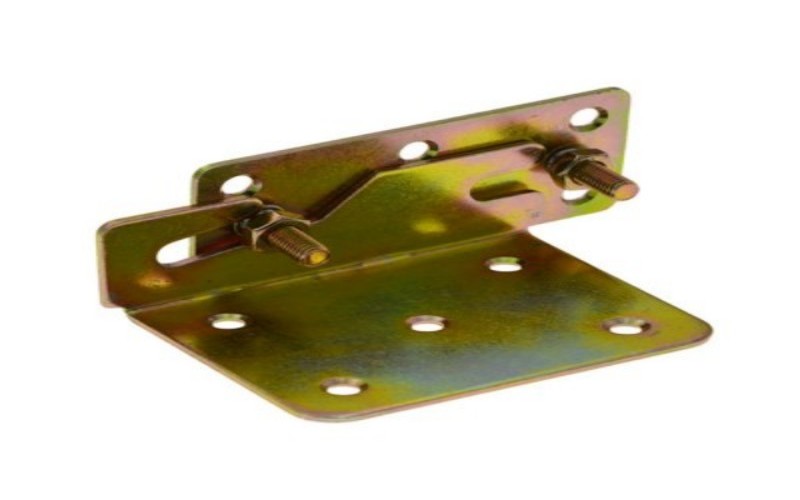
Standard brackets are typically designed for general construction applications, which means they follow fixed dimensions, hole patterns, and thickness specifications. While this works well for simple structures, furniture frames often require far more precise connections. Designers frequently encounter situations where generic brackets simply do not align with the frame geometry. For example, hole placements may not match the mounting points in the furniture frame, forcing manufacturers to drill additional holes or adjust assembly procedures.
Common challenges with standard brackets include:
● hole spacing that conflicts with frame components
● bracket thickness that is insufficient for heavier furniture
● oversized hardware that interferes with internal frame structures
● limited compatibility with curved or angled furniture designs
These limitations can increase assembly time and create inconsistencies during production. In large-scale manufacturing environments, even small alignment issues can significantly slow down assembly lines.
Despite advances in materials and furniture engineering, the metal corner bracket remains one of the most effective solutions for stabilizing structural joints. Its simple geometry allows it to reinforce perpendicular connections while distributing stress across a wider surface area. When properly engineered, a corner bracket strengthens the connection between two frame components and prevents gradual joint movement caused by weight and repeated use. Reinforcement ribs or triangular structures can further increase rigidity, reducing the risk of bending or deformation. The continued use of corner brackets across many furniture categories—sofas, cabinets, shelving systems, and modular seating—demonstrates their reliability in structural reinforcement.
Structural Challenge | Impact on Furniture | Role of Metal Corner Bracket |
High stress at frame corners | Joint loosening or frame distortion | Reinforces right-angle connections |
Thin or lightweight materials | Reduced natural rigidity | Adds localized structural strength |
Repeated movement and load | Gradual structural fatigue | Stabilizes joints over time |
Modular furniture assemblies | Increased joint complexity | Maintains alignment between components |
For manufacturers seeking both structural reliability and design flexibility, corner brackets remain one of the most practical solutions for reinforcing furniture frames.
Custom metal corner brackets are engineered to match the exact structural requirements of a furniture frame. Instead of adapting the frame to fit a generic component, manufacturers design the bracket to reinforce the specific stress points within the structure. Furniture joints experience both static loads, such as the weight of the frame itself, and dynamic loads generated by daily use. Sitting, leaning, or shifting weight can introduce repeated stress that gradually weakens poorly supported connections. To address these conditions, custom brackets often incorporate structural modifications that improve load distribution. Designers may adjust the thickness of the metal sheet, increase the surface contact area, or introduce reinforcement features that reduce localized stress.
Typical design enhancements include:
● thicker metal gauges for higher load capacity
● triangular reinforcement ribs that resist bending forces
● gusseted corners that strengthen the bracket’s structural geometry
These modifications allow the bracket to distribute weight across multiple contact points rather than concentrating force at a single joint. As a result, the entire furniture frame becomes more stable and resistant to deformation.
Material selection plays a critical role in determining bracket performance. Different metals provide distinct advantages in terms of strength, weight, corrosion resistance, and manufacturing cost.
Furniture manufacturers typically select materials based on the expected load conditions and the environment in which the product will be used.
Material | Key Advantages | Typical Furniture Applications |
Stainless Steel | Excellent corrosion resistance and long service life | Outdoor furniture, high-humidity environments |
Carbon Steel | High load-bearing capacity and structural strength | Heavy sofas, commercial seating frames |
Aluminum Alloy | Lightweight and naturally corrosion resistant | Modular furniture and portable designs |
Each material also interacts differently with finishing processes such as powder coating or anodizing. These surface treatments improve durability while allowing brackets to visually integrate with the furniture design.
One of the most significant advantages of custom brackets is their ability to reduce long-term structural problems. Generic hardware often performs adequately in the short term, but over extended use it may allow slight joint movement that gradually weakens the furniture frame.
Custom brackets address this issue by improving both fit and load distribution. Because the bracket dimensions match the furniture frame precisely, installation produces a tighter and more stable connection. This reduces micro-movements that typically lead to loosening or squeaking over time.
For manufacturers, stronger joints translate into tangible benefits:
● reduced product returns caused by structural instability
● fewer warranty claims related to frame failures
● longer product lifespan and improved brand reputation
By reinforcing the most critical structural points within the furniture frame, custom metal corner brackets help ensure that the product maintains its integrity throughout years of use.
Contemporary furniture design increasingly prioritizes distinctive forms over conventional geometry. Sofas with curved seating lines, modular lounge systems arranged at unusual angles, and floating-style tables supported by minimal structures are becoming more common in both residential and commercial interiors. These designs enhance aesthetics and flexibility but also complicate the structural engineering of the furniture frame.
Traditional brackets are typically manufactured at fixed angles—most commonly 90 degrees—which limits their ability to support unconventional frame layouts. When furniture designers introduce curved frames or hybrid material combinations, standard hardware often fails to align correctly with the structure.
Custom metal corner brackets solve this problem by adapting to the exact geometry of the furniture frame. Designers can specify bracket angles, mounting positions, and dimensions that match the frame structure rather than forcing the design to conform to standard hardware limitations.
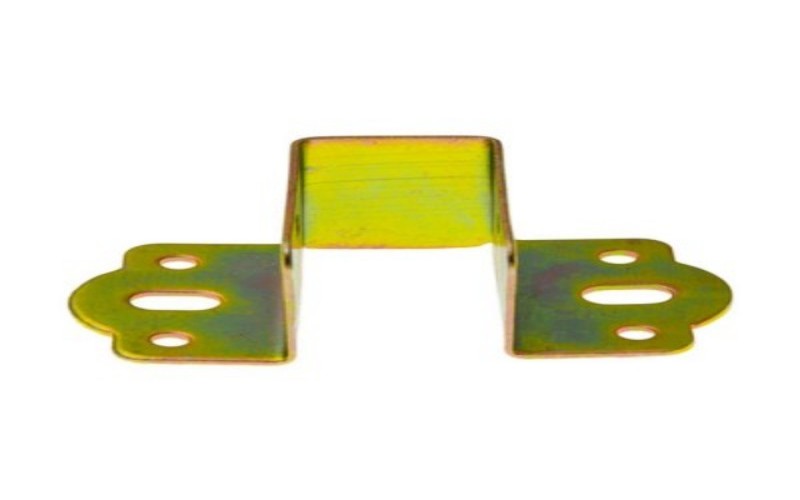
Typical structural scenarios where customized brackets become essential include:
● joints connecting curved wood or metal frame sections
● seating systems arranged at angles other than 90 degrees
● hybrid frames combining wood, steel tubing, and composite materials
This level of customization allows furniture manufacturers to support innovative forms while ensuring that stress is distributed correctly throughout the frame. Without such reinforcement, unconventional furniture structures may develop instability over time, particularly in seating products that experience repeated weight loads.
Minimalist furniture design emphasizes clean lines and uninterrupted surfaces. In many contemporary interiors, exposed hardware can disrupt the visual simplicity that designers aim to achieve. As a result, structural components increasingly need to remain invisible while still providing strong support.
Custom brackets make this possible by adapting their shape and installation method to the internal architecture of the furniture frame. Instead of attaching externally, brackets can be integrated into internal cavities or recessed mounting zones within the frame.
Common design strategies for concealed brackets include:
● recessed bracket channels milled directly into wooden frame components
● internal mounting plates embedded inside upholstered structures
● flush-mounted brackets that sit level with the surrounding frame surface
These approaches allow the structural reinforcement to remain hidden from view while preserving the overall aesthetic of the furniture piece. For premium furniture manufacturers, concealed hardware often becomes an important selling point because it allows designers to maintain a seamless visual appearance.
While some furniture styles prioritize hidden hardware, others intentionally highlight structural elements as part of the design language. Industrial-style furniture, modern loft interiors, and architectural seating systems often expose brackets as visual accents rather than concealing them.
In these cases, the bracket becomes part of the furniture’s visual identity. Manufacturers may choose finishes or surface treatments that complement other design elements within the product. Powder coating, anodizing, and brushed finishes can transform structural components into aesthetic details that enhance the furniture’s overall style.
Design Approach | Bracket Integration Strategy | Visual Impact |
Minimalist furniture | Internal or recessed bracket placement | Hardware remains invisible |
Contemporary modular seating | Flush-mounted brackets aligned with frame surfaces | Clean and subtle structural support |
Industrial or modern furniture | Exposed brackets with decorative finishes | Structural hardware becomes a visual feature |
Designer statement pieces | Custom-shaped brackets matching frame geometry | Hardware contributes to the product’s unique identity |
In furniture manufacturing, even small inefficiencies in assembly processes can significantly impact production speed. When standard brackets require additional drilling, adjustment, or repositioning, the cumulative effect across hundreds or thousands of units can slow down the entire assembly line. Custom brackets eliminate many of these issues because they are engineered specifically for the furniture model being produced. Their dimensions, hole placements, and mounting orientation are aligned with the frame components from the start. This alignment allows assembly workers to install brackets quickly without modifying the structure during production.
Several design features contribute to faster installation:
● mounting holes positioned precisely according to frame dimensions
● optimized fastener locations that improve tool access during assembly
● integrated alignment guides that simplify bracket positioning
These improvements reduce assembly errors and improve workflow consistency, particularly in factories producing modular or flat-pack furniture.
Furniture manufacturers depend on repeatable production processes. When every component fits precisely the same way, factories can maintain consistent product quality across large production runs. Custom brackets manufactured with modern fabrication technologies—such as CNC machining or precision stamping—offer extremely tight dimensional tolerances. This accuracy ensures that each bracket fits the frame exactly as intended.
The benefits of this consistency extend beyond structural performance. Uniform hardware placement helps manufacturers maintain predictable assembly times and simplifies quality control inspections.
Manufacturing Factor | Standard Brackets | Custom Brackets |
Dimensional accuracy | May vary depending on supplier tolerances | Designed to match exact frame specifications |
Assembly adjustments | Often required during installation | Minimal adjustment required |
Production repeatability | Less predictable fit across batches | Highly consistent component fit |
Quality control | Increased inspection time | Simplified inspection due to consistent hardware placement |
This level of precision becomes especially valuable in large-scale production environments where thousands of identical furniture units must be assembled efficiently.
Although custom bracket development requires initial engineering and tooling investment, the long-term economic advantages often outweigh the upfront cost. Once the bracket design has been optimized for a specific furniture product, manufacturers benefit from improved production efficiency and reduced material waste. When brackets align perfectly with the furniture frame, fewer adjustments are required during assembly. This reduces labor time and decreases the likelihood of manufacturing defects. Additionally, stronger structural reinforcement can extend the product’s lifespan, lowering warranty claims and repair costs. Over time, these factors contribute to measurable cost savings for furniture manufacturers. By integrating custom bracket solutions into the product design phase, companies can improve both production efficiency and overall product reliability.
Modern furniture requires stronger joints, flexible designs, and efficient production. Customized Metal corner bracket solutions provide precise reinforcement, improved durability, and better assembly performance. Ningbo Yinzhou Gonuo Hardware Co., LTD. offers high-quality custom brackets designed for modern furniture structures, helping manufacturers achieve reliable connections, cleaner designs, and long-lasting product performance.
A metal corner bracket reinforces right-angle joints and improves frame stability.
Use a custom metal corner bracket when frames have unusual angles or loads.
A metal corner bracket distributes load across joints and reduces frame movement.
Common metal corner bracket materials include stainless steel, carbon steel, and aluminum.
Custom metal corner bracket designs align holes and reduce assembly adjustments.