
Tel:
+86-15381916109
Email:
Email:
No.26 TianJian Lane, Yinzhou District, Ningbo, Zhejiang, China
Views: 0 Author: Site Editor Publish Time: 2025-08-21 Origin: Site


You want each part of your building project to be safe and strong. When you use carbon steel bolts, you count on them to hold heavy things and keep parts together. Careful installation helps stop problems like loose joints or sudden breaks. Regular checks and good care also keep your team and tools safe. Think about what you do now and how it affects safety later.
Pick the right grade of carbon steel bolts for your job. This helps make sure they are strong and safe. - Look at bolts closely before you use them. Use the right tools to tighten bolts the right way. - Use the correct torque when tightening bolts. Write down the torque you use to stop bolts from failing and keep joints strong. - Keep bolts safe from rust by using coatings. Do not mix metals that can cause corrosion. - Check bolts often and take care of them. This helps you find problems early and keeps your project safe.
Choosing the right carbon steel bolts for your project keeps your structure safe and strong. You need to match the bolt grade to your construction needs. This step prevents failures and costly repairs later.
You will find different grades of carbon steel bolts, each with unique properties. The most common grades are ASTM A307 and ASTM A325. Here is a quick comparison:
Bolt Grade | Strength (Tensile) | Typical Use | Weldability |
|---|---|---|---|
ASTM A307 | 60,000–100,000 psi | Light structures, wood, non-critical applications | Good (not heat treated) |
ASTM A325 | Higher than A307 | Heavy construction, structural steel joints | Not recommended (heat treated) |
ASTM A307 bolts work well for general-purpose, low to moderate strength jobs. You can weld these bolts without losing their strength.
ASTM A325 bolts are high-strength and heat treated. You use them in heavy construction and structural steel connections. Welding these bolts is not safe because it can weaken them.
Always check the grade markings on the bolt head before you install them. These markings show you the bolt’s grade and help you avoid mistakes.
You must match the bolt grade to your project’s load and environment. For example, if you build a bridge or a large steel frame, you need high-strength bolts like ASTM A325. These bolts handle heavy loads and resist stretching. If you use a weaker bolt, it may stretch or break under stress.
Think about the environment, too. Some bolts work better in dry places, while others resist moisture or chemicals. Always follow the specifications for your project. Grade selection guidelines help you choose the right bolt for each job.
Tip: Check each bolt for grade markings and physical damage before installation. A damaged or unmarked bolt can fail early.
If you pick the wrong bolt grade, you risk serious problems. Using a low-grade bolt in a high-stress area can cause the bolt to stretch, lose its grip, or even break. This can lead to loose joints, equipment failure, and expensive downtime.
Here are some real-world risks:
A factory used the wrong bolts in a vibrating conveyor system. The bolts stretched and loosened, causing the conveyor to fail. The company lost over $50,000 in repairs and lost production.
Weak bolts can lead to joint failure, safety hazards, and costly repairs.
If you use bolts without proper markings or certifications, you risk installing low-quality fasteners that may fail early.
According to fastener experts, about 5% of bolt failures in industrial projects come from using the wrong grade or type for the application. While this number seems small, the impact can be huge in critical construction projects.
Note: Proper grade selection is always safer than guessing. Over-specifying can waste money, but under-specifying puts your project at risk.
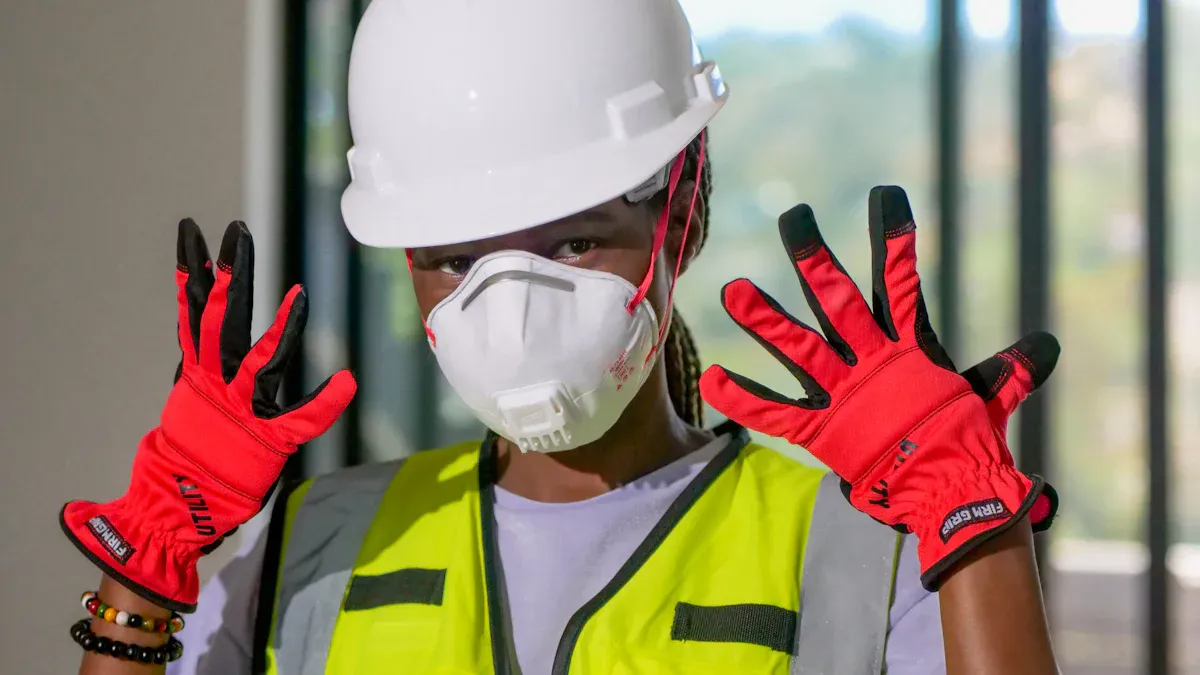
You should look at every carbon steel fastener before you use it. This helps stop problems that could make your building weak. First, find out what kind of carbon steel bolts you will use. Some bolts, like hex head or tension control, need special ways to check them.
Here are the steps for a good inspection:
Figure out the bolt type and pick the right way to check it.
Look for damage from shipping or any defects. Check for cracks, bends, or rust.
Test the bolts to make sure they can reach the right tension. They should not need too much force.
Clean the threads and add oil if needed. This stops rust and makes it easier to tighten.
Keep bolts in closed boxes or safe buildings until you need them.
Mark bolts, nuts, and steel plates so you can check them later.
Make sure your tools, like torque wrenches, are set right to measure bolt tension.
Tip: Always check bolts for grade markings and if they look okay. A bolt that is broken or has no mark can break early and cause danger.
You need the right tools to put in carbon steel fasteners. The wrong tool can hurt the fastener or make it too loose or tight. Pick tools that fit the bolt and the job.
Some common tools are:
Calibrated torque wrenches for tightening bolts just right.
Impact wrenches for tough jobs.
Marking tools to check bolt turning and tension.
Tools that measure how tight the bolt is.
Check your torque and impact wrenches often. They should be checked at least once a year. Good tools help you get the right tension and stop mistakes.
Note: If you use tools that are not checked, bolts can be too weak and might break.
You need to follow steps to put in carbon steel fasteners safely. Doing this right keeps your building strong and safe.
Here is a good way to install bolts:
Check each fastener for damage and make sure it is the right one.
Clean out bolt holes and the places where bolts sit.
Add oil if needed to stop friction and stripping.
Line up bolts so they do not bend or break.
Tighten bolts by hand first to hold them in place.
Use a checked torque wrench to tighten bolts in a star shape. Make them tighter a little at a time.
Do a last round of tightening in a circle to make sure all bolts are even.
Tighten bolts again after one or two days and during planned stops.
Look at bolts often for wear, moving, or leaks.
Use locks or special coatings to keep bolts from coming loose.
Pick coatings like zinc plating or hot-dip galvanizing for tough places.
If you do not put in carbon steel bolts the right way, the joints can get weak and may break. Mistakes like using the wrong force or not enough oil can cost a lot to fix and can be dangerous. You must check that each fastener is tight enough for the job.
Alert: Not following these steps can make joints weak, cost more to fix, and even cause big failures.
You need to use the right torque when tightening carbon steel bolts. The right torque helps bolts hold things together safely. If you use too little torque, bolts can get loose. If you use too much, bolts might stretch or break. This can make joints fail.
The torque you need depends on the bolt’s grade, size, and finish. ASTM A307 bolts need about 2 to 688 ft-lbs of torque. SAE Grade 2 bolts need 3 to 435 ft-lbs. ASTM A490 bolts can need up to 4,450 ft-lbs for big bolts. Bolts with oil need less torque to get tight enough. Always check your project’s torque rules before you start.
Tip: The real torque can change if you use oil, have rough surfaces, or different assembly steps. Try the torque on a test bolt before you finish the job.
If you do not use the right torque, the bolt threads can get uneven stress. This can make bolts wear out faster and lower safety. Using the right torque keeps bolts tight and stops early problems.
You should always write down the torque used on each bolt. Use torque wrenches that are checked and have less than ±5% error. Calibration tools should have less than ±3% error. Write down the torque numbers and when you checked your tools. Good records help you find problems early and keep things safe.
Keep a list of torque rules for every project.
Write down the torque for every important bolt.
Note when your tools were checked.
Alert: If you do not keep records or use unchecked tools, you can miss problems and make joints unsafe.
When you follow torque rules and keep good records, your project stays safe for a long time.
When you use carbon steel bolts with other metals, you need to think about how they react. If you put carbon steel bolts with stainless steel or nickel alloys, you can get galvanic corrosion. This happens when two metals that are not the same touch and there is moisture. The less noble metal, usually carbon steel, will rust faster.
Galvanic corrosion starts if you have two metals, a way for electricity to move, and water.
Carbon steel bolts are less noble than stainless steel or nickel alloys. They will rust first.
Water makes the rusting worse. Rust can drip from the joint, and bolts may get loose.
If you use mild steel flanges or bolt holes without coatings, rust can spread fast.
Putting insulation pads under washers and bolt heads helps lower this risk.
You should not mix metals unless you protect them. If you must use different metals, try to keep them apart or use coatings to stop electricity from moving between them.
You can keep carbon steel fasteners safe from rust by using anti-seize compounds and special coatings. These products make a barrier and help bolts last longer.
Compound / Coating | Features & Use | Temperature Range | Corrosion Resistance & Notes |
|---|---|---|---|
Copper-Based Anti-Seize | Handles high heat, good for big jobs | Up to 1200°F | Strong protection, but be careful with stainless steel |
Nickel-Based Anti-Seize | Works well in the ocean or on ships | Up to 1400°F | Great for saltwater, use with care |
Stainless Steel Grade | Has things that stop rust, works in tough places | Up to 2500°F | Stops bolts from sticking, good for different metals |
Silicone Sealants (Marine) | Covers bolts to protect them | N/A | Good for wet or rough places |
You should put anti-seize on threads before you put in bolts. This stops bolts from sticking and makes them easier to take out later. Coatings like zinc plating or PTFE also keep water away and slow down rust. If the coating gets damaged, rust can start fast, especially when bolts touch other metals.
Tip: Always look at the place before picking a fastener and coating. In dry places, rust is not a big problem. In wet or salty places, use the best protection you can.
You keep your project safe and strong when you match materials and use the right protection. Checking bolts often helps you find problems early and stop failures.
You must watch the environment where you use carbon steel fasteners. Changes in temperature and humidity can cause big problems. When it gets hot, metal gets bigger. When it gets cold, metal gets smaller. This can make fasteners loose. Loose fasteners can make buildings weak. High humidity, like near the ocean or in wet places, makes rust happen faster. Rust can hurt fasteners and make them break.
Here is a table that shows how temperature and humidity affect carbon steel bolts:
Aspect | Effect on Carbon Steel Bolts | Supporting Details |
|---|---|---|
Temperature and Humidity Fluctuations | Bolts get bigger and smaller, which can make them loose and tired | Heat and water move soil and buildings, making bolts work harder |
Axial Force Correlation | More heat and wetness put more force on bolts | Bolts near the top change more than bolts deep down |
Time-dependent Behavior | Forces on bolts grow over time but slow down after a few years | After four years, some bolts get much more force |
Depth Effect | Bolts near the top get more stress from heat and wetness | Bolts deep down stay steadier |
Soil Degradation Mechanism | Wet and dry cycles break down soil around bolts | This makes bolts move more and get more stress |
You can lower these risks by using strong threads, putting on oil, and using seals to keep water out. Always test your fasteners in real places before you start a big job.
Tip: Check your carbon steel fasteners often in places with big temperature changes or lots of wetness. If you see rust or loose bolts, fix them quickly.
Protective coatings help carbon steel fasteners last longer in hard places. Zinc coatings are common because they protect the metal by rusting first. Hot-dip galvanizing puts on a thick zinc layer. This works well outside and near the sea. Zinc flake coatings also protect well and stop problems like hydrogen embrittlement.
Here is a short list of coatings and what they do:
Hot-dip galvanizing: Best for outside, near the ocean, or on boats. The thick zinc layer protects for a long time.
Zinc coatings: Good for most jobs in factories. They cost less and are easy to use.
Phosphate coatings: Used under paint or sealant but do not protect much alone.
Nickel coatings: Give some rust and wear protection but are better inside or for looks.
Alert: Always use coating rules like ASTM B633 or ASTM F1941 for the best results. Bad coatings can make fasteners fail early.
Pick the right coating for your project’s place. Check and fix coatings often. This keeps your carbon steel fastener strong and safe for a long time.
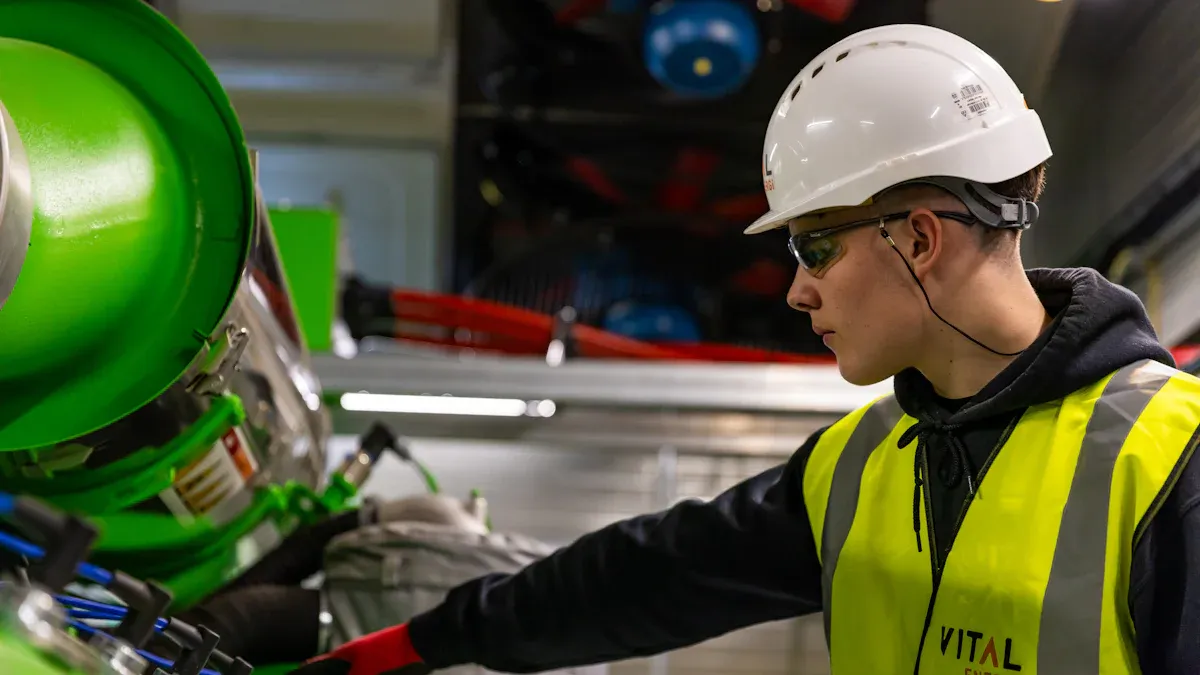
You keep your project safe by checking fasteners often. These checks help you find problems early. How risky your building is tells you how often to check.
Bridges and big machines need checks every 6 months.
Stores and offices should be checked once a year.
Homes can be checked every 2 years.
Clean each fastener once a year. Tighten bolts every 6 to 12 months. Put on new coatings every 2 to 3 years. These steps stop sudden breaks and keep your project strong.
Tip: Set reminders for checks and care. This helps you not forget and keeps things safe.
You need to find damage early to keep your carbon steel fastener working well. Look for these signs every time you check:
Defect Category | Common Signs of Wear or Damage | Description / Cause |
|---|---|---|
Surface Defects | Dents, Scratches, Cracks | Hitting or rubbing can make the fastener weak. |
Thread-Related Defects | Fold Cracks, Root Micro-Cracks, Holes | Bad threads or tools make the fastener weaker. |
Fastener Head Defects | Deformation, Head Cracks, Irregular Metal Flow Lines | Mistakes in making or using the fastener hurt its strength. |
Assembly-Related Defects | Misalignment, Oblique Fastening, Tool Wear | Wrong tools or mistakes make joints weak and uneven. |
Corrosion and Loosening | Rust, Corrosion, Loosening from Vibration | Water and shaking make fasteners weak and can break them. |
Check for rust, cracks, and loose bolts a lot, especially where there is water or shaking. Tighten bolts that get loose. Use coatings to stop rust.
When you find a bad fastener, follow safe steps to replace it.
Always use the rules for picking and changing carbon steel bolts.
Check the shank, threads, and under the bolt head for damage.
Use special treatments, like freezing, to make bolts stronger if needed.
Sometimes use studs instead of bolts for better strength and less thread damage.
Tighten new bolts with the right tools and torque to keep joints strong.
Plan when to do these jobs. Set times based on how much you use your tools and what the maker says. Plans include tightening, oiling, checking, and changing old parts. Write down every step. Use the right tools and keep extra parts ready. Predictive care helps you fix things before they break.
Alert: Checking and caring for bolts often lowers the chance of breaks, keeps people safe, and saves money on your project.
You must use the right industry standards for carbon steel bolts. These rules make sure each bolt is strong, the right size, and safe. Following these rules helps stop bolts from failing. It also keeps your building strong.
Here is a table with some important standards for carbon steel bolts:
Standard | Scope and Application | Key Features and Notes |
|---|---|---|
ASTM A307 | Carbon steel bolts and studs for general-purpose use | Defines three grades (A, B, C) based on tensile strength; used in non-critical connections |
ASTM A325 | High-strength structural bolts | Used in structural steel connections like bridges and buildings; requires heat treatment and testing |
ASTM F1554 | Anchor bolts | Covers anchor bolts for concrete foundations; includes grades 36, 55, 105 indicating yield strengths |
ASTM A193 | Alloy and stainless steel bolting materials | Specifies alloy steel bolts used in high-temperature or high-pressure environments |
ASTM F593 | Stainless steel bolts, hex cap screws, and studs | Specifies chemical composition, mechanical properties, and thread dimensions for stainless steel fasteners |
Groups like ISO, ASTM, CEN, JIS, and IEC make these rules. They set how strong bolts must be and what threads or coatings to use. Bolts that meet these standards will fit and last in your project. Testing and paperwork show that each bolt is safe to use.
Tip: Always check for the right markings and papers on your bolts. This proves they meet the correct standards.
Workers need training to put in carbon steel bolts safely. Training teaches your team how to follow rules and use tools the right way. When workers know the rules, they can find problems early and fix them fast.
Good training includes:
Reading and following manufacturer guidelines.
Checking bolt grade and condition.
Using torque wrenches and other tools.
Keeping records of checks and maintenance.
Give your team training often and keep them updated. Certification programs help workers show their skills. Training makes your project safer and helps it last longer.
Alert: Workers without training might miss damage or use the wrong bolts. This can cause failures and safety problems.
You help make sure your building projects are safe and strong. Here are some important things to do:
Pick the right carbon steel bolts for every job.
Use the correct steps and good tools when putting in bolts.
Check and take care of bolts often so they do not fail.
Learn about new rules and get training when you can.
Some real stories show that using strong bolts and smart ways to put them in keeps bridges and buildings safe. Learning more and working together helps you stop expensive problems. If you want help or want to talk about your next project, reach out to us today.
You should keep bolts in a dry, covered place. Use sealed containers or boxes. This stops rust and keeps bolts clean. Always check bolts for damage before you use them.
Look for rust, cracks, or bent bolts. If a bolt feels loose or shows wear, replace it right away. Regular checks help you spot problems early.
You should not reuse bolts in critical jobs. Removing bolts can weaken them. Always use new bolts for important connections to keep your project safe.
A torque wrench helps you tighten bolts to the right level. This tool stops you from making bolts too tight or too loose. Proper torque keeps joints strong and safe.
Tighten the bolt with the correct tool and torque. If the bolt stays loose or shows damage, replace it. Always record your inspection and any fixes you make.